Market Outlook: The “Soft Landing” Under Stress
09/02/2026

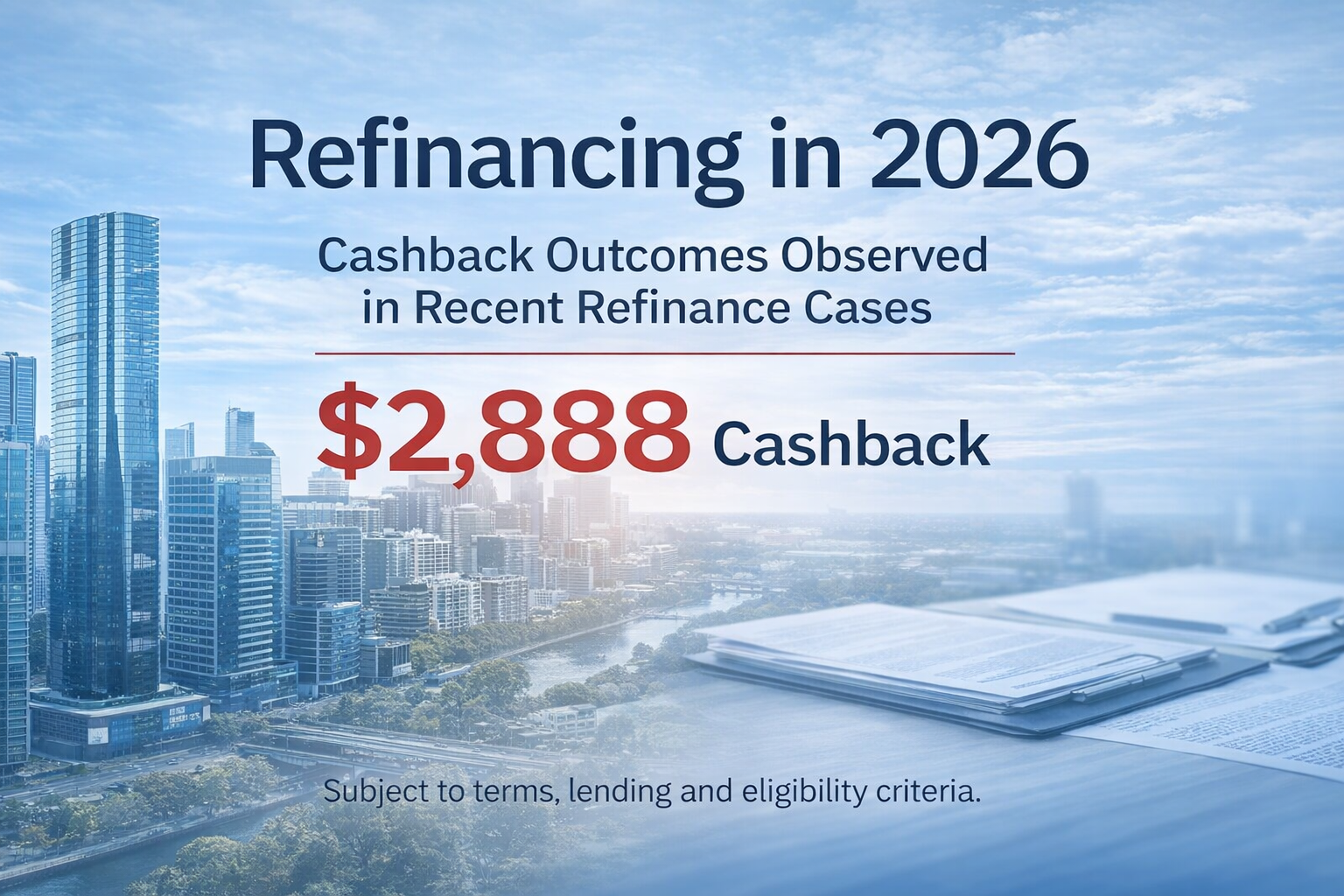
The RBA’s move to 3.85% marks the first upward shift in the cash rate since late 2023, signaling a hawkish turn that caught some financial markets off guard. In her statement following the February 3 board meeting, RBA Governor Michele Bullock noted that while inflation has retreated from its 2022 peaks, it “picked up materially in the second half of 2025,” driven by resilient private demand and a tight labor market.
Economists are now divided on the trajectory for the remainder of 2026. While CBA and Westpac analysts suggest the RBA may hold steady for the next quarter to observe the impact on consumer spending, NAB has already signaled the possibility of a second “insurance” hike as early as May if quarterly CPI data remains stubborn.
Meanwhile, the housing market continues to defy high-interest-rate gravity. Domain’s Chief of Research and Economics, Dr. Nicola Powell, forecasts that Melbourne’s median house price will still climb roughly 6% to $1.17 million by year-end, supported by a chronic supply shortage and a surge in first-home buyer activity.
However, the “wild card” remains the new APRA debt-to-income caps. With banks now limited to a 20% quota for high-leverage lending, the competition for credit is expected to intensify. For borrowers, the message from the 2026 pivot is clear: in an era of shifting goalposts, securing a mortgage is no longer just about interest rates—it’s about navigating a rapidly tightening regulatory maze.
Quick Summary for Your Readers:
-
Cash Rate: Increased to 3.85% (Up 0.25%).
-
APRA Rule: New 20% limit on loans over 6x your income.
-
Melbourne Forecast: Prices still tipped to rise 6-8% in 2026.
-
Action Plan: Review your variable rate if it is above 5.75% and check your borrowing capacity before your next pre-approval expires.